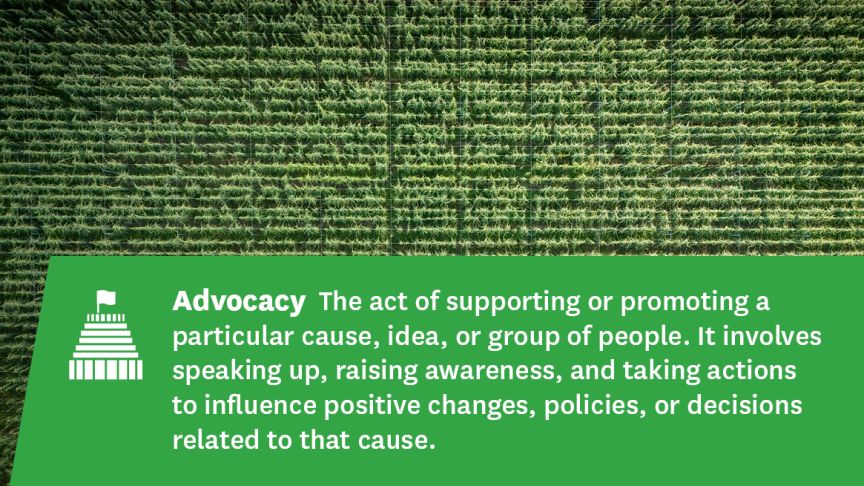
Being a mutually owned insurer often means doing more than providing insurance. It means designing and delivering loss prevention initiatives, investing back into the communities that support us and, as the role of insurance evolves in building a more resilient country, it also means helping policymakers understand the realities of rural insurance so their decisions better reflect life on the land.
Every day, our frontline teams work alongside farmers, growers and rural communities. That gives us a unique view of the challenges you face, from severe weather and natural hazards through to insurance affordability, infrastructure resilience, emergency management and regulation. These issues directly affect the cost and availability of insurance, and how well rural communities prepare for and recover after an event.
Those insights give us both an opportunity and a responsibility to share what we know with political parties, regulators and others whose decisions affect rural New Zealand Aotearoa.
While there are many issues and topics we could get involved with, we work to a framework that helps guide where we should share our insights. At its core, that framework focuses on issues that have a rural insurance impact either before, during or after an event. This allows us to contribute to building resilience ahead of time, strengthen the response after the unexpected happens, and support long-term recovery.
Insurance is an effective way of transferring risk, but it doesn’t reduce the risk itself. Decisions about infrastructure, where and how we build, and how we prepare for natural hazards all influence the losses communities face. For rural communities, the consequences extend beyond the initial damage to the time and work involved in getting farms and businesses operating again. That’s why the conversation needs to look beyond what happens when a claim is made. Reducing risk before losses occur is part of building resilience and keeping insurance sustainable over the long term.
Our experience gives us something practical to contribute to that discussion.
As part of our advocacy, we have talked to politicians and regulators about how rural insurance works differently than urban insurance, the growing impacts of severe weather and natural hazards, why recovery can take longer across rural communities, how risk models affect rural insurance costs and availability, and how Government-imposed levies add to premiums.
Much of our work to date has involved building relationships and maintaining regular contact with key decisionmakers. Sometimes that means sharing FMG’s experience through formal submissions and consultation processes. Other times it means meetings, briefings, events and conversations.
The aim isn’t simply to make more noise or expect every decision to go our way. It’s to help policymakers understand what their choices mean in practice for rural insurance and the communities that rely on it, while recognising the wider considerations they need to weigh up.
Good advocacy is about playing the long game and bringing evidence, experience and practical insight to the table. It’s about building understanding, staying engaged on issues that matter and helping ensure rural New Zealand Aotearoa is considered when decisions are made.
FMG is taking focused steps in its advocacy and will continue to choose the issues where our rural insurance experience and your rural realities need to be shared with those shaping the future of New Zealand Aotearoa.

