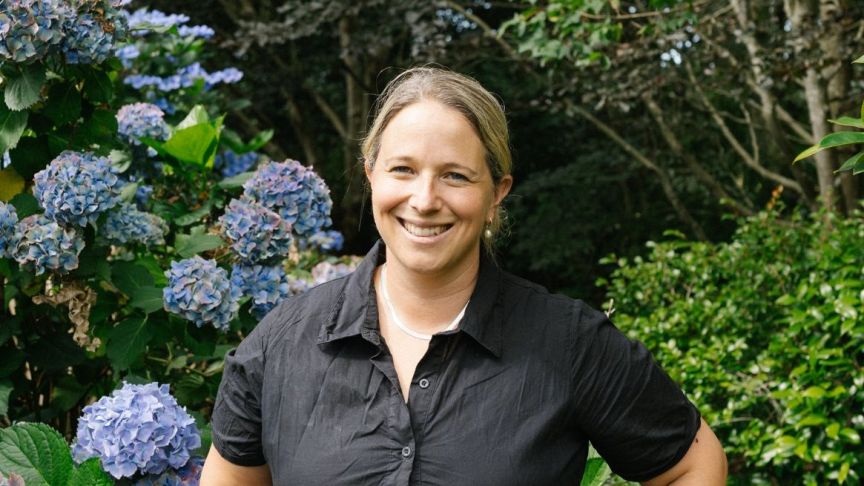
Major events show that recovery is about much more than repairing damaged buildings. FMG’s Loss Prevention Manager Abby France talks to us about how understanding the risks associated with your property can help you best prepare for adverse events, and how knowing your insurance can help you best recover from them.
After a major weather event, it's often not the damaged shed or fallen tree that causes the biggest headache. It's the days without power, the water pump that won't run, the wastewater with nowhere to go, or the road that's closed when you need supplies. Then there’s navigating the insurance process, from lodging a claim and receiving payment through to repairing or reinstating your property.
“In recent years, we have seen the experiences of clients during events like the Kaikōura earthquake and Cyclone Gabrielle, and these have really highlighted the importance of understanding not just what could be damaged, but what your household relies on every day to function. We've also seen that many people don't fully understand their cover until they need to make a claim” said Abby.
Know your risks
Every property is different, which means the risks you face and the way an event might affect your household will be different too. Ask yourself the following questions when you are contemplating your response plans.
Access: If normal access to your property, or in and out of town was blocked or damaged do you have what you need to survive on your own for a period of days or longer? Safe drinking water, food supplies and medications?
Power supply: Those in more isolated communities or households may be a lower priority for reconnection following widespread power outages.This might mean you are on your own for several days or longer. Ask yourself what critical systems would stop and do you have back up power or fuel to sustain your household.
Water and waste: How does water come and go from your property? Does it require electric pumps? Have you got an alternative plan in place if you were unable to use those pumps, or fresh and waste water systems failed?
Communications: In a world of smart homes and always-on technology, it's easy to forget that a simple battery-powered radio can be invaluable when systems go down. Tuning in to your local station is a reliable way to get the latest information when you need it most.
“On the subject of knowing things before you need them, get to know your neighbours before you need them as well. Find out who is who in your community and what resources, or skills might be there if the worst happens” added Abby.
Know your insurance
Preparing for disruption is only part of the picture. Understanding what your insurance does and doesn't cover can make recovery much smoother when the unexpected happens.
“We often see people reviewing their cover for the first time in years only after an event has occurred. That's not a great time to discover a building's value is out of date, an excess is higher than expected, or an important asset hasn't been insured correctly.”
“Here are some of the common themes we have seen emerging from events in recent years” said Abby.
Underinsurance of buildings and contents: One of the most common challenges during recovery is discovering the cost to rebuild or replace assets is much higher than expected.
If you've built, renovated or replaced anything in recent years, you'll have seen how much construction costs have increased. Those same cost pressures can significantly affect the cost of rebuilding homes, sheds and other structures on your property following a loss.
Even if it is “just a garden shed”, if it was destroyed and needed to be rebuilt, then you need to make sure that you have it insured for the appropriate rebuild amount (or have a plan B for paying for it). Contents replacements can also creep up.
“Think about what your property might have accumulated in the last five years. A new kitchen table here, garden tools there. FMG, like many insurers, has a home contents calculator that can help you more accurately assess the value of your contents and the level of cover you may need”.
Understanding your excesses: An excess is the portion of a claim that you are responsible for paying. When renewing your insurance, take time to review your schedule and understand the excess that applies to different types of claims. Have a plan for how you'll cover that cost. Some clients are also unaware that higher excesses may apply following a natural disaster, which can be an unwelcome surprise during recovery.
Remove old items from your policy: Reviewing and removing old items from your insurance policy is not something you want to be navigating in a crisis either. Make it a habit to review your insurance schedule each year to ensure you're only covering assets you still own and want to protect.
Knowing what you've insured, how to find your policy documents and having up-to-date photos or records of key assets can make the claims process smoother when the unexpected happens
"The best time to think about recovery is before an event occurs," says Abby. "Insurance is a powerful tool for helping people recover, but it works best when it's regularly reviewed and properly understood. Taking the time now to understand your property's risks and your insurance cover could make a significant difference when you need it most.
Know your risks, know your insurance, know it before you need it.
Preparedness isn't a one-off exercise. Each season is a good prompt to walk your property, top up emergency supplies and think about what you'd do differently based on what you've seen. The properties that handle severe weather best aren't necessarily the most resourced. Rather, they're the ones where the owners have thought it through, made a plan, and kept it current. The weather will always surprise us, but that kind of steady preparation makes an enormous difference to how you come out the other side.
- Risk is more than physical damage Loss of access, power, water or communications can affect your household as much as direct damage.
- Ask questions early Clarify confusing insurance terms, conditions and cover before an event.
- Know what keeps your household running Identify the infrastructure, services, people and suppliers that your family relies on.
- Review before disaster strikes Take the time to identify any gaps in sums insured, excesses or assumptions before a claim.
This article was previously published in On The Land magazine.

