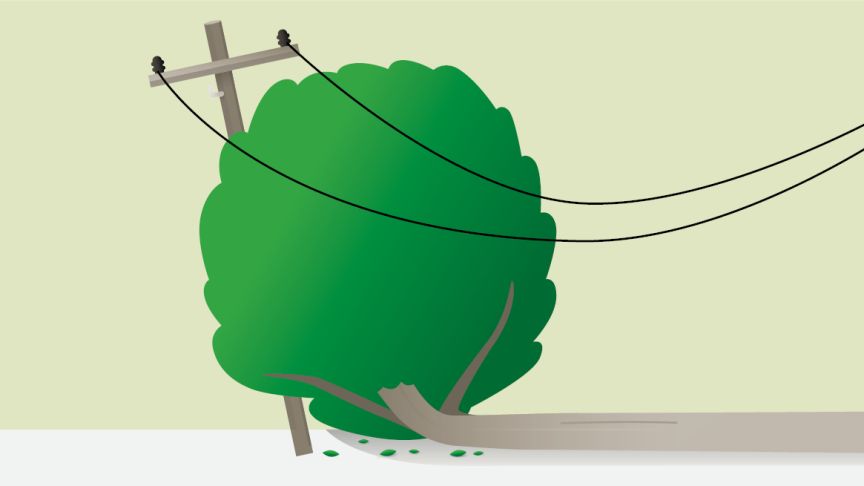
Preventing outages and protecting people, animals and operations.
Extended power outages can disrupt far more than the lights in the house. For farmers, growers and rural communities, electricity underpins water supply, milking and irrigation systems, refrigeration, communications and fuel access. When the power goes out unexpectedly, the impacts can cascade quickly across animal welfare, food safety and business operations.
A good Plan B for Power starts before the lights go out - this advice reflects what we see and hear from our clients, and what we’ve learned from responding to both isolated and widespread power outages.
See what you can do to Prevent, Prepare and Respond below:
PREVENT
Check your surroundings
Many rural power outages start on-farm. Treat all electricity infrastructure as live and dangerous at all times.
The 4‑metre rule
Always keep people, machinery and loads at least 4 metres away from overhead power lines. Electricity can arc (jump) through the air, you don’t need to touch a line to be injured.
Common risk activities
- Raising augers, loaders or tip-trucks
- Shifting irrigators or spray booms
- Moving high or wide loads
- Working near poles or guy wires
- Fencing or digging without checking for cables
Look up. Look out. Slow down.
Before lifting, tipping or shifting equipment, stop and check what’s overhead, especially in unfamiliar paddocks or yards.
Trees and lines don’t mix
- Avoid planting trees under or close to power lines
- Regularly check for sagging lines or unstable trees
- Trim vegetation before it becomes a problem (using approved contractors where required)
From our clients “We’d done the job dozens of times before. It was only afterwards we realised how close we’d come to taking the whole line out or worse.”
PREPARE
Your 12–48 hour plan
When power goes off unexpectedly, the effects can snowball. Preparation doesn’t have to be complicated — it just needs to be thought through.
Start with one question:
What absolutely needs power to keep people, animals and food safe?
For most rural properties this includes:
- Water supply and pumps
- Dairy shed or milking systems
- Refrigeration and food storage
- Electric fencing
- Livestock monitoring or alarms
- Communications and internet
- Medical devices where applicable
Plan your backup
- Decide whether a generator, solar system, or shared backup with neighbours is right for your property
- Understand the load requirements of critical equipment before choosing a generator
- Make sure backup systems can be used safely and are well maintained
Outage-ready basics
- Sign up for outage notifications from your local electricity network
- Keep essential phone numbers saved and written down
- Keep phones and battery packs charged
- Store torches and spare batteries in known locations
- Keep drinking water and food that doesn’t rely on refrigeration or cooking
Technology can help but it also relies on power and connectivity. Always have non-digital backups.
From our clients “We thought we were prepared, until the outage lasted longer than a day. Water was the first thing that caught us out.”
RESPOND
When the power goes off and when it comes back
During an outage
- Prioritise animal welfare first, especially water supply
- Conserve battery life by limiting device use
- Use manual systems where possible (temporary fencing, gravity-fed water)
- Check in with neighbours if outages are prolonged
When power is restored
- Be aware that power surges can occur when electricity returns
- Use surge protection for sensitive electronics where possible
- Restart systems gradually
- Check equipment carefully before running under full load
From our clients: “The safest call we made was slowing everything right down and keeping people well clear.”
If something goes wrong with power lines
If a power line is down or damaged
- Treat it as live
- Keep people and animals at least 10 metres away
- Contact your electricity network provider immediately
- Call 111 if there is immediate danger
If a line contacts a vehicle or machine
- Stay inside unless there is immediate danger (such as fire)
- If you must exit:
- Jump well clear with both feet together
- Do not touch the vehicle and ground at the same time
- Move away keeping feet together until well clear
- Keep others away from the area

